Why Is My Furnace Short Cycling? Troubleshooting Gas Heating in Brownsburg
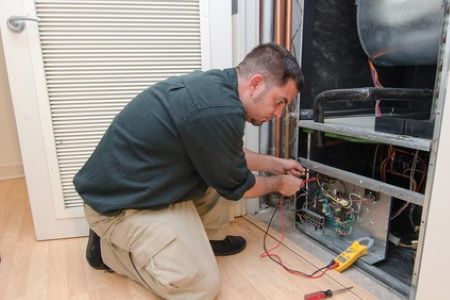
If your gas furnace keeps turning on and off every few minutes, that pattern is called short cycling. In Brownsburg, quick humidity swings, gusty winter fronts, and everyday home habits can all play a part. This guide explains what’s happening, why it matters, and how to address it safely. If comfort can’t wait, our local team handles prompt heating repairs for homes across Brownsburg and nearby neighborhoods.
What Furnace Short Cycling Looks Like In Brownsburg Homes
Short cycling shows up as rapid starts and stops instead of steady, complete heating runs. You might hear the inducer and burners start, feel warm air briefly, then the system shuts down and tries again soon after. Rooms never feel evenly warm, energy bills creep up, and the furnace parts rack up unnecessary wear.
We see this often in Brownsburg subdivisions like Greystone, Centennial, and Birch Run at Wynne Farms, where a mix of new builds and established homes means different duct layouts and filter sizes. When outdoor temperatures whip between damp and dry, flame sensors can oxidize faster, and restrictive filters clog sooner with dust from busy corridors like I‑74 and farmland edges. Put simply, local conditions make reliable airflow and stable flame sensing even more important.
Common Causes Of A Furnace Turning On And Off Rapidly
There is no single cause, but several usual suspects appear again and again during our service calls around Hendricks County:
- Airflow restrictions that push the furnace to its high-limit safety and shut the burners off early. A common trigger is a clogged or overly restrictive 1‑inch high MERV filter.
- Flame sensor oxidation that builds up during humid shoulder seasons, making the control board “think” the flame is out even when it’s lit.
- Thermostat placement in a drafty spot, such as near a frequently used front door or garage entry, which makes the furnace cycle in response to cold bursts of air.
- Blocked return or supply grilles due to furniture, rugs, or storage boxes that choke airflow.
- Venting or combustion air problems on high‑efficiency units that interrupt the burn and force a shutdown.
- Equipment sizing mismatches that heat rooms too quickly and shut off before completing a healthy cycle.
In our field experience, Brownsburg’s humidity swings accelerate light oxidation on flame sensors. Pair that with a tight 1‑inch filter that loads up fast, and you can get rapid cycling even on a newer furnace. The system is doing its job by protecting itself, but the comfort hit is real.
Simple Observations You Can Make Safely
There are a few things you can observe without opening panels or using tools. These checks help you describe symptoms clearly and speed up a professional diagnosis:
- Walk room to room and note any return grilles or supply vents that look covered or blocked. Write down their locations so your technician can verify airflow.
- Look at where the thermostat sits. If it’s near a drafty door, a supply register, or direct sun, mention that. Drafts and hot blasts can confuse temperature readings.
- Think about recent filter choices. If you switched to a high‑MERV 1‑inch filter and short cycling began soon after, tell your technician. The right filter depends on your ductwork and furnace specs.
These observations are safe to make and give your HVAC pro a strong head start. If anything seems unsafe or you’re unsure, leave the system alone and get help.
Local insight: in Brownsburg, winter winds and quick door traffic around garage entries often create cold bursts that trick wall thermostats into calling for heat too often. Relocating a thermostat or adding a simple draft break can reduce nuisance cycling and smooth out comfort.
How Pros Diagnose Short Cycling And Protect Your Furnace
When you schedule service, a licensed HVAC technician follows a logical path to find the real cause and prevent damage. We start with airflow and safety, then move to sensors and controls:
Airflow testing. We check filter size and condition, confirm all returns and supplies are open, and measure static pressure. If pressure is too high for the furnace’s rating, the system can overheat and cycle off.
Combustion and flame sensing. We inspect and test the flame sensor signal under real operating conditions. Oxidation on the sensor tip from humidity exposure can weaken the signal just enough to cause intermittent shutdowns, even if the burner looks fine to the eye.
Limit and pressure safety checks. We verify that the high‑limit switch is not tripping due to insufficient airflow and that the inducer and pressure switch operate normally with the vent system.
Thermostat and placement review. We confirm settings, cycle rates, and location. Thermostats near drafty entryways or supply registers often cause rapid swings.
Heat exchanger inspection. If symptoms suggest overheating, misfire, or exhaust issues, a licensed technician will examine the heat exchanger. Some findings require the furnace to be taken offline until it is safe to operate.
Filter Choices In Brownsburg: Why MERV And Size Matter
Filters protect your furnace and your lungs, but the wrong combination can starve the system of air. Many Brownsburg homes use a 1‑inch filter slot. High MERV ratings on 1‑inch filters can add significant resistance, which shortens run times and triggers high‑limit shutdowns. A larger media cabinet with a deeper filter spreads that resistance across more surface area, often keeping the furnace inside its safe operating range. Your technician can help you match filter type to your furnace, duct size, and air quality needs.
Never ignore repeated short cycling or a burning smell. Airflow and combustion issues can escalate and cause parts to fail early. The safest play is to schedule a professional visit so the system can be tested under load and brought back within specifications.
Drafts, Thermostats, And Return Vents: Small Details, Big Impact
In Westside areas like Centennial or Emerald Park, we commonly find thermostats beside garage entries and mudrooms. Those doors open dozens of times on a winter evening, pulling in cold air that makes the thermostat call for heat more often than your living spaces need. Moving a thermostat or adding a small draft baffle can stabilize cycle length and improve comfort.
Returns are the furnace’s lungs. When a couch, storage bin, or shoe rack blocks a return grille, the blower works harder, heat rises too quickly in the furnace cabinet, and the high‑limit safety opens. Note any blocked returns and let your technician evaluate whether the ductwork and filter choice are a good fit for your home.
When A Quick Fix Is Enough Versus When You Need A Licensed Tech
From years of service calls across Brownsburg, we see two patterns. Sometimes the solution really is simple, like replacing a dirty filter that’s clearly overdue. Other times, the symptoms point to safety checks that only a licensed pro should perform, such as inspecting the heat exchanger or verifying combustion and venting.
Here is a helpful way to think about it:
- Likely simple: you know the filter is overdue, and airflow at vents feels weak. After a filter change on the proper schedule, cycles return to normal, and rooms feel steadier.
- Call a licensed technician: you notice short cycles under five minutes, repeated resets, new noises, a hot or metallic smell, or the problem returns quickly after a filter change. These signs deserve a full diagnostic to protect the furnace and your home.
If you ever smell gas or a carbon monoxide alarm sounds, turn the system off and leave the home before calling a professional. Safety comes first.
Preventive Habits For Reliable Gas Heating All Winter
Small habits prevent big problems, especially during Brownsburg’s cold snaps. Consider these best practices to reduce short cycling and keep comfort steady:
Schedule professional maintenance each fall so a licensed technician can verify airflow, safety controls, and combustion. Ask about the right filter type and replacement interval for your furnace model and ductwork. Keep return and supply grilles visible and unblocked during winter. Finally, confirm your thermostat is not located directly in a draft path or sunbeam that can trick it into rapid cycling.
If you want more background on our approach to heating repairs and maintenance, you can also learn how we address furnace short cycling in Brownsburg throughout the season and keep systems inside their safe operating ranges.
Why Local Experience Matters
Local context saves time and protects equipment. Brownsburg homes range from newer high‑efficiency setups to older single‑stage furnaces tied to legacy ductwork. That variety means the same symptom can have different root causes. Our technicians work these systems every week, noting patterns like flame sensor oxidation after a damp spell, or restrictive filters causing limit trips after a few weeks of use. That experience translates into faster, safer fixes.
For fast furnace short cycling help in Brownsburg, call Muse Heating And Cooling today. A quick conversation gets you on the schedule, and we will confirm the best next step for your home and family. To reach us now, call 765-522-4716.
Ready To Restore Steady Heat?
If your furnace is turning on and off rapidly, don’t let it ride. Rapid cycling wastes gas, adds wear, and can hide a safety issue. Our trained team at Muse Heating And Cooling will pinpoint the cause, explain your options in plain language, and restore steady, efficient heat. When you want it fixed right, schedule service with our trusted heating repair company serving Brownsburg and nearby communities.

Projects
Runtru Mini Split, Mini Barn
Customer called about getting a quote on mini split unit. They stated the unit need to be put in their Mini Barn, located in Russellville, IN. Muse Heating and Cooling was able to give them a quote on a Runtru, 22 seer, Mini-split (12000 BTU, 115V) […]
See This Project
Residential Packaged Unit (Gas Furnace and A/C) Crawfordsville, IN
Muse Heating and Cooling received a call that a resident in the crawfordsville area was having, No HEAT. When arriving, one of our technicians notice the existing unit had a cracked heat exchanger and the unit was over 20 years old. The technician notified the customer […]
See This Project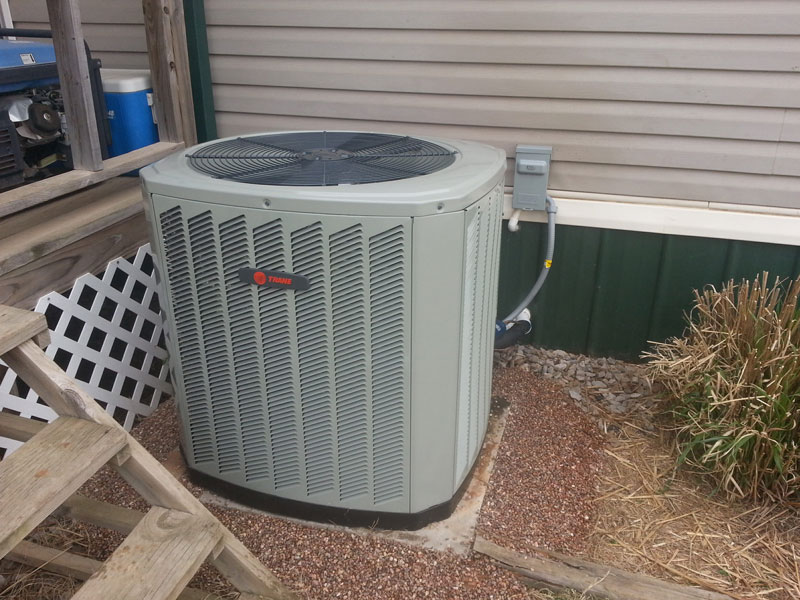
Recent HVAC Articles
-
Why Is My Furnace Short Cycling? Troubleshooting Gas Heating in Brownsburg
If your gas furnace keeps turning on and off every few minutes, that pattern is called short cycling. In Brownsburg, quick humidity swings, gusty winter fronts, and everyday home habits can all play a part. This guide explains what’s happening, why it matters, and how to […]
-
High Indoor Humidity Troubles? Roachdale AC Dehumidification and Cooling Guide
Does your home feel clammy even with the thermostat set where you like it? Many Roachdale homeowners deal with muggy indoor air during heavy Indiana summers, especially after storms push through the Big Walnut Creek area. This guide breaks down how your air conditioner removes moisture, […]